
Obesity Management - Personalized Weight Loss Solutions
Obesity Management & Treatment
Understanding and Treating Obesity for Better Health
Obesity is a complex chronic disease characterized by excessive body fat accumulation that can impair health. It's more than just a cosmetic concern; it significantly increases the risk of numerous serious health problems, including heart disease, diabetes, high blood pressure, and certain cancers. Effective management of obesity is crucial for improving overall health and quality of life.
What is Obesity?
Obesity is diagnosed based on Body Mass Index (BMI), a measure calculated from your weight and height. A BMI of 30 or higher is generally considered obese. However, BMI does not account for muscle mass vs. fat mass, so other factors and clinical assessment are also important.
- Overweight: BMI of 25.0 to 29.9
- Obesity Class 1: BMI of 30.0 to 34.9
- Obesity Class 2: BMI of 35.0 to 39.9
- Obesity Class 3 (Severe/Morbid Obesity): BMI of 40.0 or higher
Causes of Obesity:
Obesity is multifaceted, often resulting from a combination of factors:
- Genetics: Genes can influence how your body stores fat and how efficiently it converts food into energy.
- Lifestyle: Unhealthy diet (high in calories, sugar, and unhealthy fats) and physical inactivity are major contributors.
- Metabolic Factors: Hormonal imbalances (e.g., hypothyroidism, PCOS), insulin resistance.
- Medications: Certain drugs (e.g., some antidepressants, corticosteroids) can lead to weight gain.
- Psychological Factors: Emotional eating, stress, and poor sleep can contribute.
- Environmental and Social Factors: Access to unhealthy foods, lack of safe spaces for physical activity, cultural habits.
Health Risks Associated with Obesity:
Obesity increases the risk of developing or worsening various health conditions:
- Type 2 Diabetes
- Heart disease and stroke
- High blood pressure (hypertension)
- High cholesterol and dyslipidemia
- Non-alcoholic fatty liver disease (NAFLD) and NASH
- Sleep apnea
- Certain types of cancer (colon, breast, endometrial, kidney, liver, gallbladder)
- Osteoarthritis
- Gallstones
- Gastroesophageal Reflux Disease (GERD)
- Infertility and reproductive issues
Diagnosis and Assessment:
Diagnosis of obesity typically involves:
- BMI Calculation: Initial assessment.
- Physical Examination: To assess fat distribution and overall health.
- Blood Tests: To check for associated conditions like diabetes, high cholesterol, liver function, and thyroid issues.
- Discussion of Lifestyle: Eating habits, physical activity levels, medical history.
Treatment and Management of Obesity:
Dr. Neeraj Dhar provides a comprehensive and personalized approach to obesity management, focusing on sustainable weight loss and improving metabolic health:
- Lifestyle Modifications:
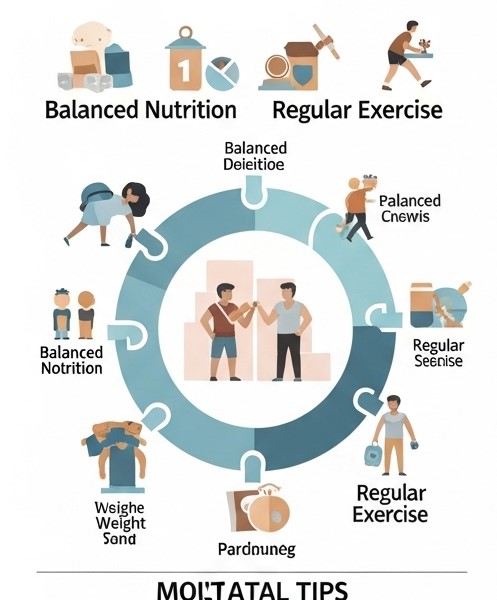
- Dietary Counseling: Developing a balanced, calorie-controlled eating plan tailored to individual needs and preferences.
- Physical Activity Plan: Guidance on incorporating regular exercise safely and effectively.
- Behavioral Therapy: Addressing eating habits, emotional triggers, and stress management techniques.
- Medical Management:
- Pharmacotherapy: Prescription weight-loss medications may be recommended for eligible patients (BMI criteria apply) to aid weight loss in conjunction with lifestyle changes.
- Management of Co-morbidities: Treating associated conditions like diabetes, hypertension, and fatty liver disease.
- Endoscopic Bariatric Therapies: For select patients who do not qualify for or prefer to avoid traditional surgery, Dr. Dhar offers minimally invasive endoscopic procedures, such as:
- Intragastric Balloons: Temporary placement of a balloon in the stomach to promote fullness and reduce food intake.
- Endoscopic Sleeve Gastroplasty (ESG): A procedure to reduce the size of the stomach using an endoscopic suturing device.
- Endoscopic Gastric Bypass Revisions: For patients who have regained weight after previous bariatric surgery.
- Referral for Bariatric Surgery: For individuals with severe obesity (typically BMI >40 or >35 with significant co-morbidities) where other methods have been ineffective, referral to a bariatric surgeon for procedures like gastric bypass or sleeve gastrectomy is considered.
Why Choose Dr. Neeraj Dhar for Obesity Management?
Dr. Neeraj Dhar is an experienced gastroenterologist with a deep understanding of the metabolic and digestive aspects of obesity. He offers a holistic and evidence-based approach to weight management, combining medical expertise with advanced endoscopic therapies where appropriate. Dr. Dhar is dedicated to guiding his patients through their weight loss journey, helping them achieve significant and sustainable weight reduction, improve their metabolic health, and reduce the risk of obesity-related complications, ultimately enhancing their quality of life.
If you are struggling with obesity and its related health challenges, consult Dr. Neeraj Dhar for a comprehensive evaluation and a personalized treatment plan designed for your success.