

Irritable Bowel Syndrome (IBS) - Comprehensive Management
Irritable Bowel Syndrome (IBS)
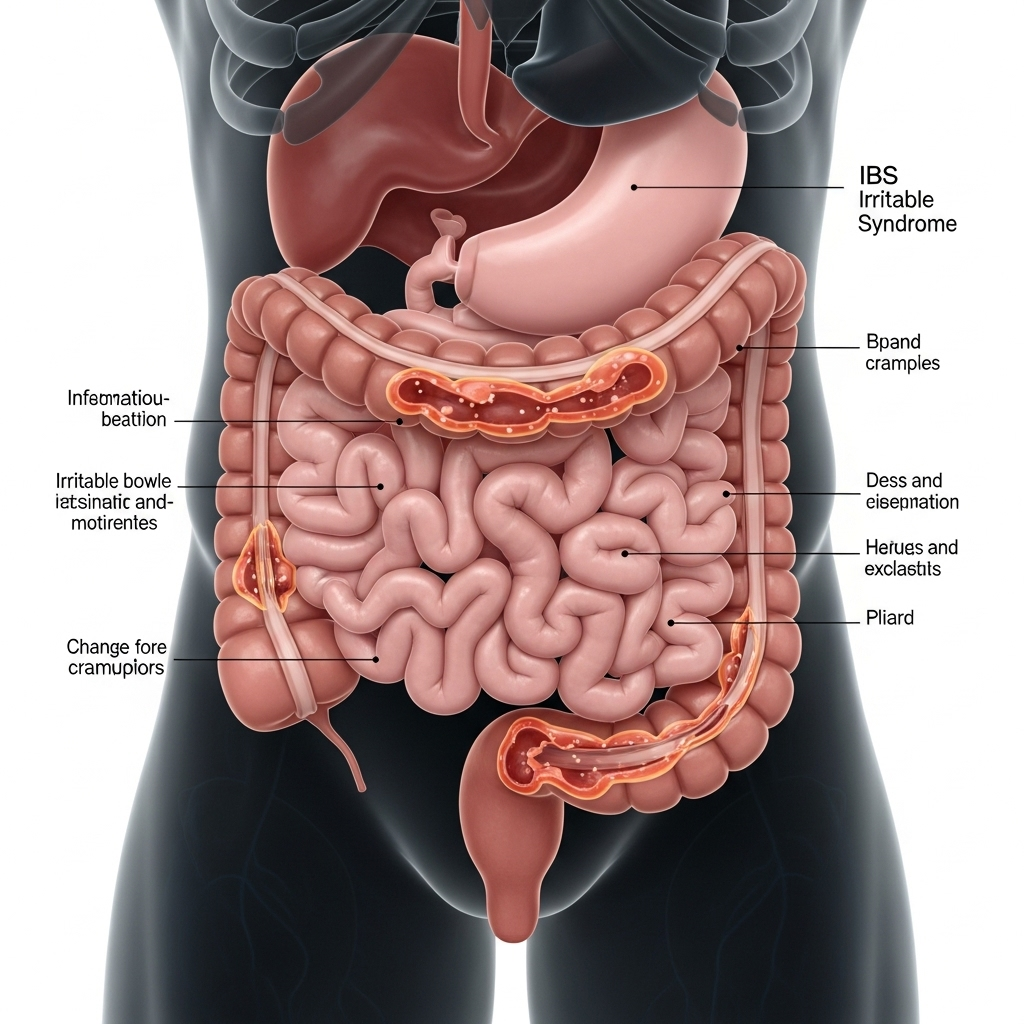
Understanding and Managing Irritable Bowel Syndrome (IBS)
Irritable Bowel Syndrome (IBS) is a common, chronic functional gastrointestinal disorder characterized by a group of symptoms that occur together, including recurring abdominal pain and changes in bowel habits (diarrhea, constipation, or both). Unlike inflammatory bowel diseases (like Crohn's or ulcerative colitis), IBS does not cause inflammation or permanent damage to the intestines.
What is IBS?
IBS is considered a disorder of gut-brain interaction, meaning there's a problem with how the brain and gut work together. This can cause the gut to be overly sensitive and lead to changes in how the bowel muscles contract. People with IBS often experience a combination of symptoms that can significantly impact their quality of life.
Types of IBS:
IBS is classified into different types based on the predominant bowel habit:
- IBS with Constipation (IBS-C): Characterized by abdominal pain and constipation.
- IBS with Diarrhea (IBS-D): Characterized by abdominal pain and diarrhea.
- IBS with Mixed Bowel Habits (IBS-M): Characterized by abdominal pain with both constipation and diarrhea.
Common Symptoms:
Symptoms of IBS can vary from person to person but typically include:
- Recurring abdominal pain or cramping, often relieved by a bowel movement
- Bloating and excessive gas
- Diarrhea, constipation, or alternating episodes of both
- Changes in the frequency or consistency of stool
- Feeling of incomplete bowel evacuation
- Mucus in the stool
Causes and Triggers:
The exact cause of IBS is unknown, but several factors are believed to play a role:
- Gut-brain axis dysfunction: Problems with the signals between the brain and the gut.
- Abnormal gut motility: Too fast or too slow contractions of intestinal muscles.
- Visceral hypersensitivity: Increased pain sensitivity in the gut.
- Gut microbiome changes: Imbalance of gut bacteria.
- Post-infectious IBS: Developing IBS after a severe bout of gastroenteritis.
- Stress and psychological factors: Stress does not cause IBS, but it can worsen symptoms.
- Food sensitivities: Certain foods can trigger symptoms in some individuals.
Diagnosis of IBS:
IBS is primarily diagnosed based on a careful review of symptoms and medical history, following specific diagnostic criteria (like the Rome IV criteria). Dr. Dhar will also perform a thorough physical examination and may recommend tests to rule out other conditions that can cause similar symptoms, such as celiac disease, inflammatory bowel disease, or infections.
Treatment and Management:
While there is no cure for IBS, symptoms can be effectively managed with a personalized treatment plan. Dr. Neeraj Dhar's approach often includes a combination of:
- Dietary Modifications: Guidance on identifying and avoiding trigger foods. A low FODMAP diet might be recommended.
- Lifestyle Changes: Stress management techniques (e.g., yoga, meditation, counseling), regular exercise, and adequate sleep.
- Medications: Prescription or over-the-counter medications to relieve specific symptoms like constipation (laxatives), diarrhea (anti-diarrheals), abdominal pain (antispasmodics), or to modulate gut function.
- Probiotics: May help in some cases to restore gut flora balance.
- Psychological Therapies: Such as Cognitive Behavioral Therapy (CBT) or hypnotherapy, which can be very effective in managing the gut-brain connection.
Why Choose Dr. Neeraj Dhar for IBS?
Dr. Neeraj Dhar is a leading gastroenterologist in Faridabad with extensive experience in diagnosing and managing complex functional gastrointestinal disorders like IBS. He adopts a holistic and patient-centered approach, working closely with each individual to understand their unique symptoms and triggers. Dr. Dhar believes in empowering patients through education and developing comprehensive, tailored strategies to effectively manage IBS, improve digestive health, and enhance overall quality of life.
If you are struggling with symptoms that suggest IBS, or if you're seeking a more effective management plan for your existing diagnosis, consult Dr. Neeraj Dhar for expert care and personalized guidance.