

Acute on Chronic Liver Failure (ACLF) - Specialized Care
Acute on Chronic Liver Failure (ACLF)
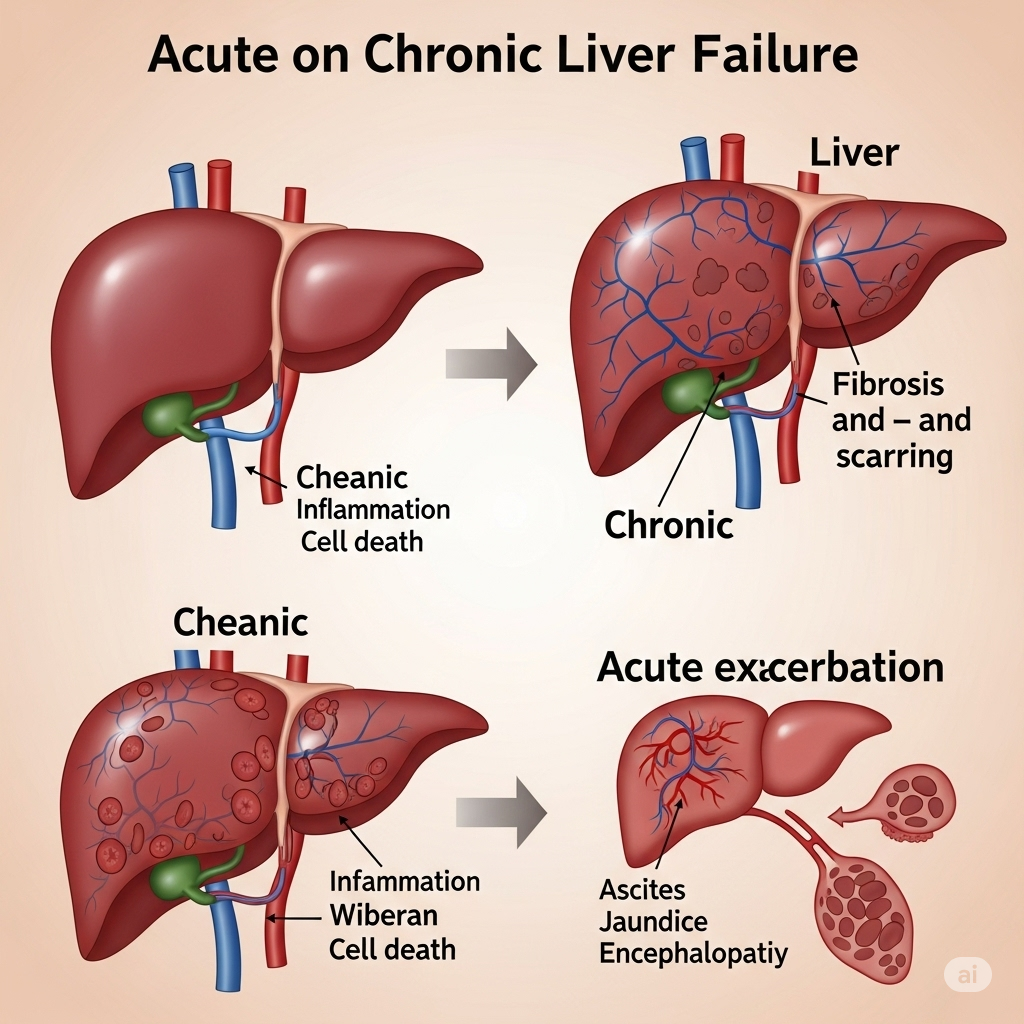
Understanding Acute on Chronic Liver Failure (ACLF)
Acute on Chronic Liver Failure (ACLF) is a severe and life-threatening condition that occurs in patients with pre-existing chronic liver disease (often cirrhosis). It is characterized by an acute worsening of liver function, leading to rapid development of organ failures (such as kidney failure, brain dysfunction, circulatory dysfunction), and a very high risk of short-term mortality. ACLF is distinct from acute liver failure and chronic liver failure, representing a sudden, severe decompensation.
What is ACLF?
ACLF is a complex syndrome where a patient with stable or compensated chronic liver disease suddenly experiences acute liver decompensation, typically triggered by a specific event. This leads to intense systemic inflammation, multi-organ failure, and a significantly poor prognosis if not managed urgently and appropriately. It often requires intensive care and specialized medical intervention.
Common Precipitating Events (Triggers) for ACLF:
While ACLF can develop spontaneously, it is frequently initiated by identifiable triggers:
- Infections: Bacterial infections (e.g., spontaneous bacterial peritonitis, pneumonia, urinary tract infections) are the most common triggers.
- Alcoholic Hepatitis: A severe flare-up of liver inflammation due to heavy alcohol consumption.
- Acute Viral Hepatitis: Superimposed acute infections with viruses like Hepatitis A, B, or E.
- Drug-induced Liver Injury: Adverse reactions to certain medications.
- Gastrointestinal Bleeding: Especially from ruptured esophageal varices.
- Surgery: Major surgical procedures in patients with underlying liver disease.
- Other events: Like portal vein thrombosis or active alcoholism without overt hepatitis.
Symptoms and Clinical Presentation:
Patients with ACLF show rapid deterioration, which may include:
- Rapidly worsening jaundice (yellowing of skin and eyes)
- Development or worsening of hepatic encephalopathy (confusion, disorientation, altered consciousness)
- Increase in ascites (fluid accumulation in the abdomen) or development of new ascites
- Coagulopathy (impaired blood clotting, leading to easy bruising or bleeding)
- Signs of organ failure:
- Kidney failure (Hepatorenal Syndrome)
- Circulatory dysfunction (low blood pressure, need for vasopressors)
- Respiratory failure (difficulty breathing, requiring ventilation)
- Brain dysfunction (beyond hepatic encephalopathy)
- Evidence of severe infection
Diagnosis and Prognosis:
Diagnosis of ACLF involves clinical assessment, blood tests (liver function tests, kidney function, clotting profile), and imaging. Specific diagnostic criteria, often including the presence of acute decompensation and organ failures, are used. The prognosis for ACLF is often grim, with high short-term mortality rates (within 28-90 days), making early recognition and aggressive management crucial.
Treatment and Management of ACLF:
Managing ACLF is complex and requires multidisciplinary care, often in an intensive care setting. Treatment focuses on:
- Identifying and Treating Precipitating Factors: Aggressive treatment of infections with appropriate antibiotics, stopping offending drugs, managing gastrointestinal bleeding, and abstaining from alcohol.
- Organ Support: Providing support for failing organs, such as renal replacement therapy (dialysis) for kidney failure, mechanical ventilation for respiratory failure, and vasopressors for circulatory collapse.
- Nutritional Support: Ensuring adequate nutrition to support recovery.
- Specific Liver Therapies: Management of complications of chronic liver disease, such as ascites, hepatic encephalopathy, and variceal bleeding.
- Liver Transplantation: For eligible patients, liver transplantation can be a life-saving option and should be considered early if the patient meets criteria and can withstand the procedure.
Why Choose Dr. Neeraj Dhar for ACLF?
Dr. Neeraj Dhar is a highly experienced and skilled Gastroenterologist with specialized expertise in managing severe liver diseases, including Acute on Chronic Liver Failure. His extensive experience in critical liver care, combined with a deep understanding of the complexities of ACLF, ensures that patients receive timely, accurate diagnosis and comprehensive, life-saving management. Dr. Dhar leads a team approach to provide advanced medical interventions, organ support, and diligent monitoring, aiming to improve patient outcomes in this challenging condition.
If you or a loved one is facing a diagnosis of Acute on Chronic Liver Failure, immediate medical attention is paramount. Contact Dr. Neeraj Dhar's clinic for urgent consultation and expert care.